
In the world of drilling, where efficiency, power, and precision are non-negotiable, one technology consistently stands out: the Down-The-Hole (DTH) Hammer. If you’re involved in mining, water well, or construction drilling, you know that this tool is the heartbeat of many successful operations. But what exactly makes it so effective? Let’s break down this powerhouse duo: the DTH Hammer and its crucial partner, the Drill Bit.
What is a DTH Hammer System?
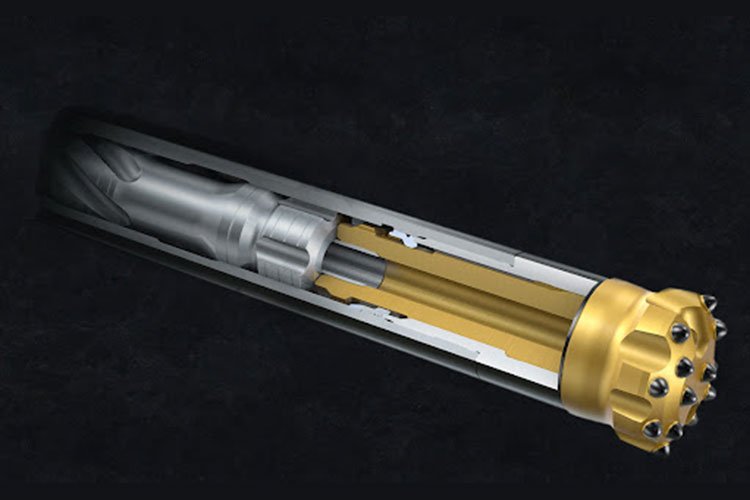
Unlike top-hammer drills that transmit energy through a long drill string, a DTH hammer is a sophisticated pneumatic (or sometimes hydraulic) device that is placed directly behind the drill bit. As the name suggests, the hammer action happens “down the hole,” right at the bottom of the borehole.
Here’s the simple magic of how it works:
- High-pressure air is sent down the drill pipe.
- This air activates a piston inside the hammer, driving it forward at high speed.
- The piston strikes directly onto the back of the drill bit.
- The bit transmits this massive, percussive energy, combined with a rotating action, directly into the rock.
- The exhaust air from the hammer then flushes the rock cuttings up and out of the hole.
This direct transfer of energy minimizes energy loss and makes the process incredibly efficient, especially in hard rock formations.
The Business End: The DTH Hammer Bit
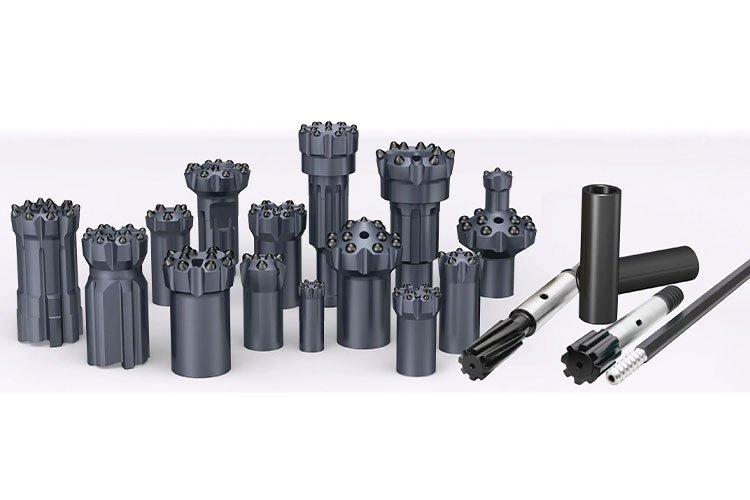
While the hammer provides the power, the bit is the star performer that does the actual cutting. DTH bits are engineered for extreme impact and abrasion resistance. They are typically characterized by:
- Button Bits: The most common type, featuring tungsten carbide buttons arranged in a specific pattern. These buttons are the primary contact point with the rock, crushing it through immense point-load pressure.
- Face Profiles: Bits come in different profiles (like convex, flat, or parabolic) suited for specific rock types, optimizing penetration and durability.
- Gauge Protection: Extra carbide inserts on the sides of the bit maintain the borehole diameter and prevent premature wear.
Why Choose DTH Drilling? The Key Advantages.
- Superior Penetration Rate in Hard Rock: This is its biggest win. By delivering impact directly to the rock face, DTH hammers outperform other methods in granite, basalt, and other abrasive formations.
- Straighter, More Accurate Holes: The combination of the hammer’s weight and the bit’s design helps maintain vertical stability, resulting in straighter holes—a critical factor for blasting holes and foundation piling.
- Excellent Cutter Removal: The constant high-volume air flush effectively clears cuttings, preventing bit balling and regrinding of material, which slows down progress and increases wear.
- Versatility: DTH systems are highly adaptable. They are used across a wide range of applications:
- Blast Hole Drilling in quarries and mines
- Water Well Drilling
- Geothermal Drilling
- Foundation Construction (e.g., anchor holes, micropiles)
Maximizing Performance and Lifespan
Getting the most out of your DTH hammer and bits isn’t just about running them hard; it’s about running them smart.
- The Perfect Match: Always ensure your hammer and bit are perfectly compatible and correctly sized. A mismatch can lead to poor performance and catastrophic failure.
- Optimize Air Pressure: Your hammer is designed for a specific operating pressure. Consistently running it below this rating drastically reduces its power and rate of penetration. Use a compressor that can meet or exceed the requirement.
- Bit Maintenance & Regrinding: Worn-down carbide buttons slow you down and put extra stress on the hammer. Regular, professional regrinding of the bit’s profile can restore performance and extend its service life multiple times.
- Listen to Your Tools: Unusual vibrations, a drop in penetration rate, or strange noises are often early warnings. Stop and inspect to prevent a minor issue from becoming a major downtime event.
The Bottom Line
In demanding drilling environments, the DTH hammer system represents a perfect marriage of brute force and intelligent engineering. By understanding how the hammer and bit work together as a system, and by following best practices for operation and maintenance, you can significantly boost your project’s productivity, reduce overall costs, and achieve cleaner, more precise results.